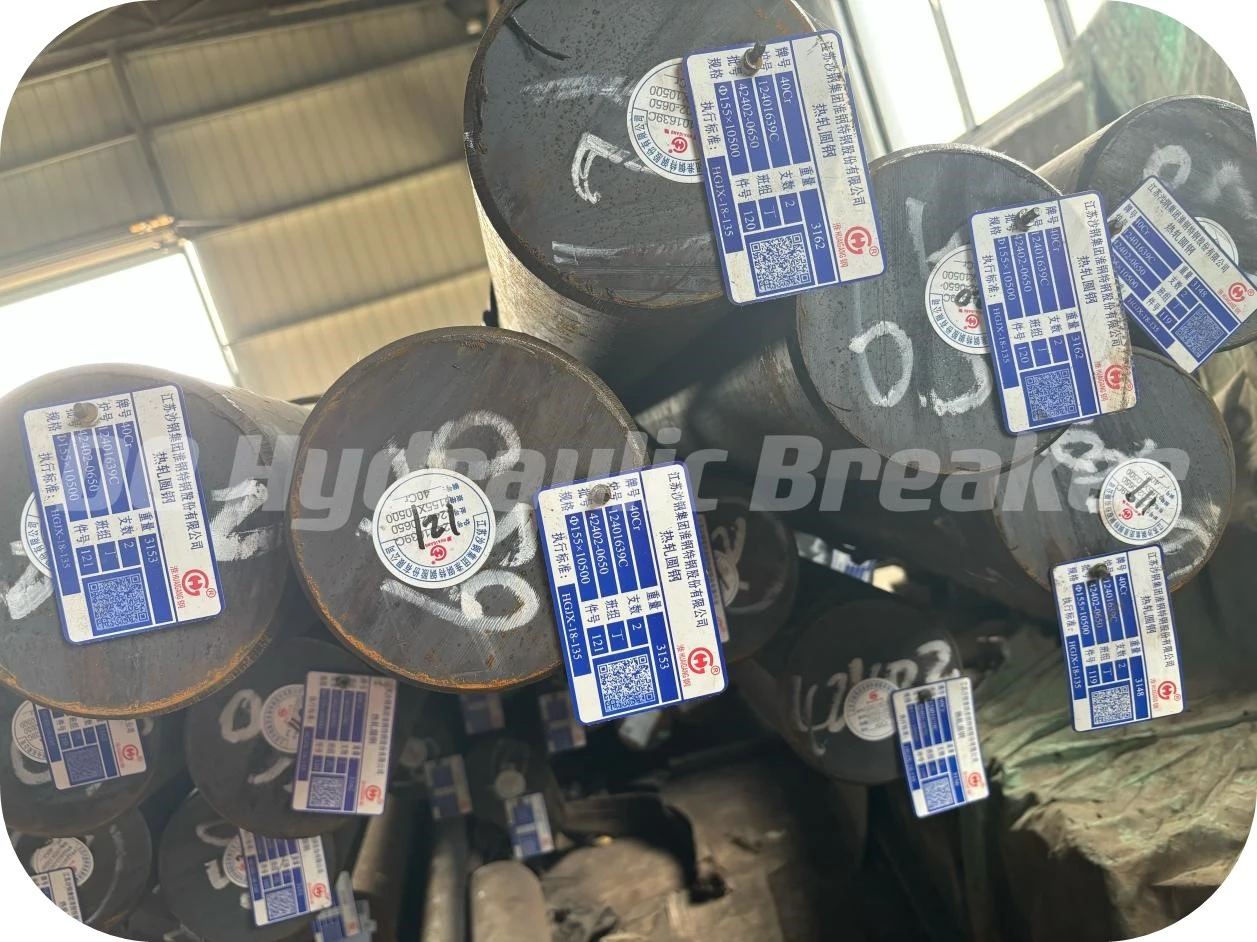
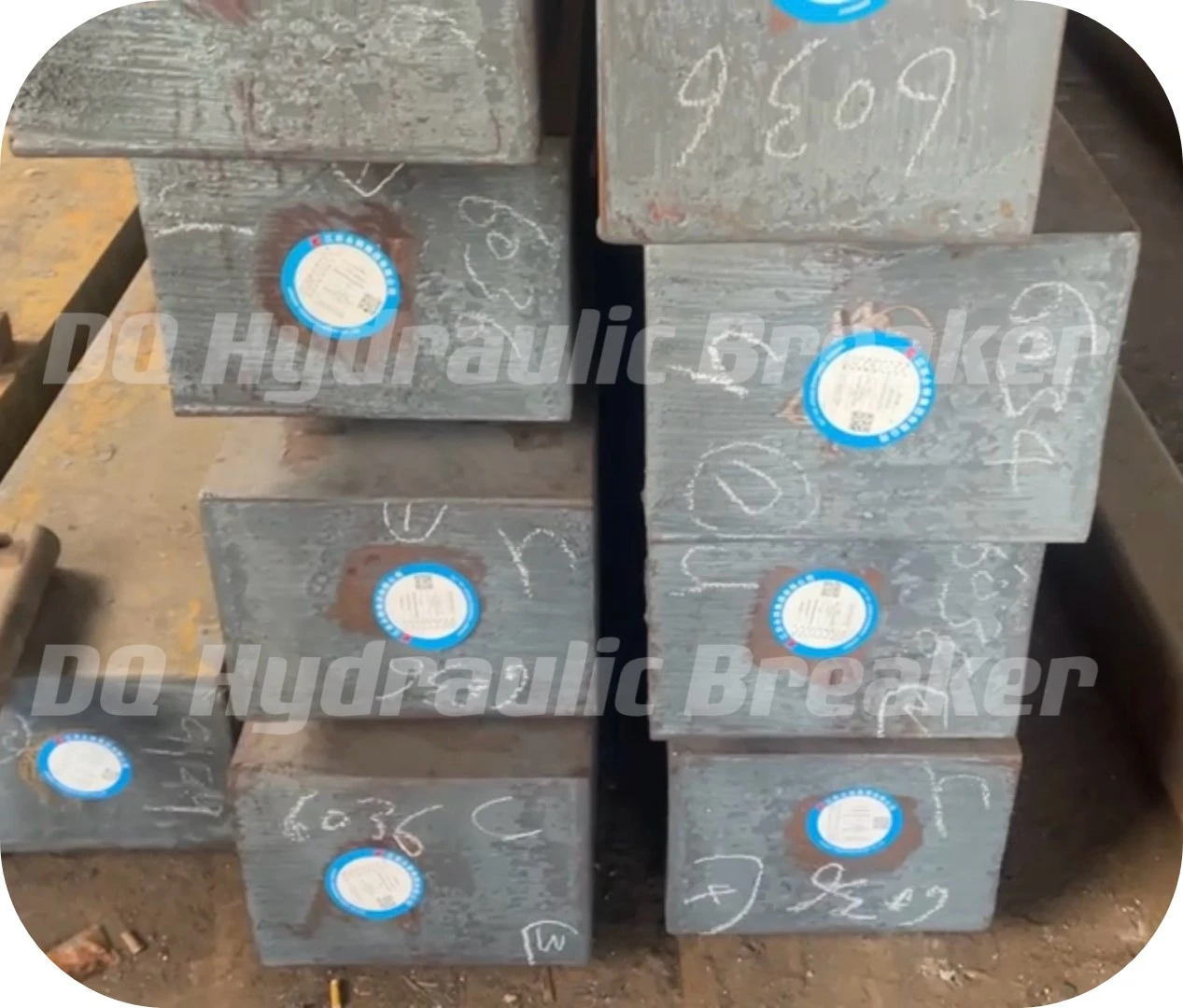
Recently, there has been a significant decline in the prices of domestic steel raw materials, which has attracted widespread attention in the industry. This change not only reflects the complexity of the current domestic and international economic situation, but also brings new market patterns and development opportunities to the steel industry.
It is understood that the decline in steel raw material prices is mainly influenced by multiple factors such as fluctuations in international commodity prices, adjustments in domestic supply and demand relationships, and policy regulation. In the international market, due to the slowing pace of global economic recovery, commodity prices have generally fallen, and steel raw materials are no exception. At the same time, the problem of excess domestic steel production capacity still exists, and market demand is relatively weak, further exacerbating the downward pressure on raw material prices.
However, the decline in steel raw material prices has also brought new opportunities to the industry. As summer approaches, due to the decline in raw materials, various domestic steel product enterprises have begun to intensify stocking and increase production to avoid the pressure of scorching heat. At the same time, the prices of some steel parts related to hydraulic crushers have also decreased. After the price drops, the demand naturally rebounds. This is a good time for construction equipment industry merchants from various countries to purchase and stock up.
How should buyers seize opportunities?
1, Pay close attention to market trends:
1. Continuously monitoring the price trend of steel raw materials and understanding market supply and demand changes can help buyers judge price trends and make corresponding procurement decisions.
2. Pay attention to the impact of domestic and foreign policies, economic environment, and other factors on the steel raw material market, in order to predict future price trends.
2, Develop procurement plan:
1. Buyers can develop a reasonable procurement plan based on their own needs and financial situation, ensuring that they can seize opportunities when raw material prices fall.
2. Evaluate inventory levels to avoid overstocking caused by excessive procurement at low prices.
3, Strengthen quality control:
1. During the procurement process, ensure that the quality of raw materials meets the standards and avoid losses caused by quality issues.
2. Establish long-term and stable cooperative relationships with suppliers to ensure the reliability of the supply chain.
4, Flexible adjustment of procurement strategy:
1. Flexibly adjust procurement strategies according to market changes, such as increasing procurement volume, changing procurement varieties, etc., to cope with price fluctuations.
2. Pay attention to the development trends and new technology applications in the steel industry, in order to make wiser decisions in raw material procurement.