

Hydraulic shears
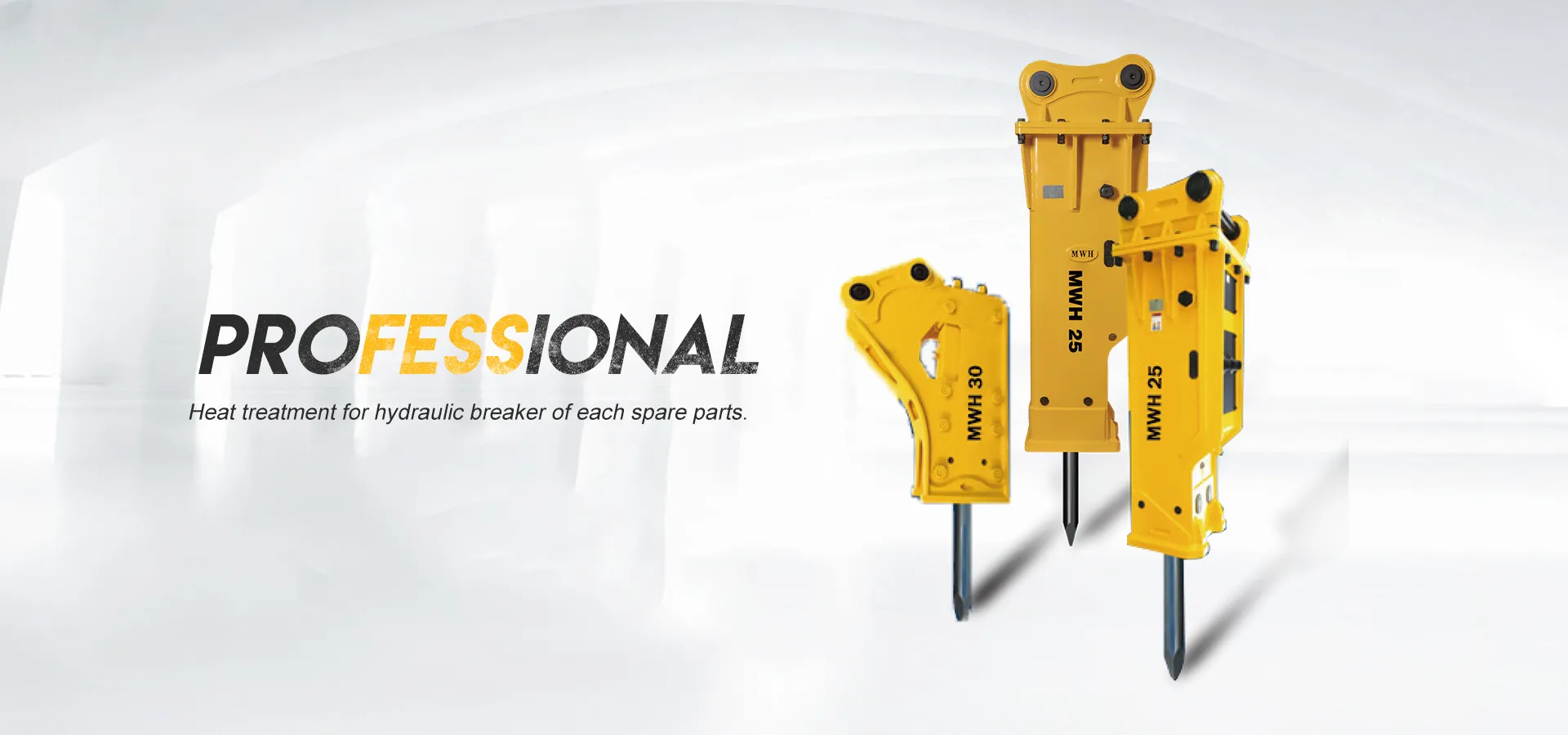
Maanshan Dongqiang Machinery Manufacturing was established in 2014. Our factory currently covers an area of more than 20 acres and is currently being expanded to cover an area of more than 50 acres. It has 83 employees and annual sales of $13.8 million. Our factory mainly produces hydraulic breakers, cylinders, pistons, chisel pins, bushings, bolts, chisels, etc.
Our Advantages
Professional CNC Technology
Our factory uses professional CNC technology and equipment to enable our products to be manufactured with high precision, efficiency, and flexibility, thus improving product quality and production efficiency.
High-Quality Materials
The raw materials for our products come from large steel mills, so we can ensure that the steel used in the production of our products is of stable quality, meets specifications, and has a certain degree of traceability.
Durable Components
The components of our hydraulic crushing equipment are heat treated so they are more durable, more resistant to wear and tear, and able to withstand high pressure and heavy load operating environments.
OEM Available
Our company provides spare parts and OEM services to well-known breaker brands and large domestic trading companies. We also provide products and services to overseas customers.
-

-
 Powerful ShearType: Excavator Plate Compactor. Application: Excavator. Certification: CE ISO9001: 2000.Add to Inquiry
 -
 Rotating Powerful PulverizeCertification: CE ISO9001: 2000. Shell Materials: High Strength Steel . Condition: New.Add to Inquiry
 -
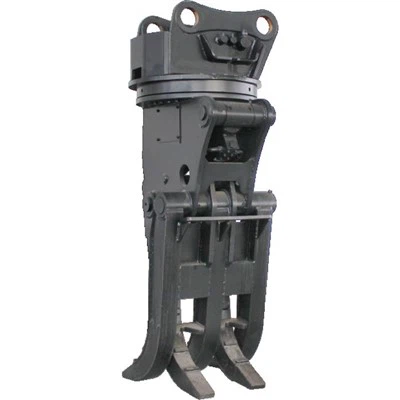 Sleeper Making MachineType: Hydraulic Steel Grab. Application: Excavator. Certification: CE ISO9001: 2000.Add to Inquiry
 -



Construction machinery entails all machinery used for activities in construction, ranging from soil excavation to the transportation, loading, and unloading of materials and waste management.

Mini Jaw Crusher
All jaw crushers reduce large sized rocks, ore, or other material by a compression action. A fixed jaw, mounted in a V-shaped alignment, is the stationary breaking surface, while a movable, “swing” jaw exerts force on the feed material by pushing it against the stationary plate.
Benefits
●High Efficiency
Jaw crushers are able to process large amounts of hard materials quickly and efficiently. This is because they have a large feed opening and a deep crushing chamber, which allows them to handle a wide range of materials.
●Versatility
Jaw crushers can be used for a variety of applications, including rock crushing, demolition, and recycling. They are also suitable for processing materials of different hardness levels, from soft to hard.
●Low Maintenance
Jaw crushers are designed to be low maintenance, which means they require minimal upkeep and repairs. This can save operators time and money in the long run.
●Cost-Effective
Jaw crushers are relatively inexpensive compared to other types of crushers, making them a cost-effective option for many operations.
●Adjustable Discharge
Jaw crushers have an adjustable discharge, which allows operators to control the size of the output material. This can be particularly useful in recycling applications, where the material needs to be a certain size for processing.
●Durability
Jaw crushers are built to withstand the rigors of heavy-duty use, which means they can withstand high levels of wear and tear. This makes them a reliable and long-lasting option for many applications.
Hydraulic Pile Hammer
Hydraulic impact pile hammers are a modernized version of the diesel impact hammer which uses hydraulic power packs as its fuel source. Hydraulic hammers are capable of driving not only steel piles like pipe, sheets, or beams but also timber and precast concrete piles.
Benefits
●Efficient and Rapid Installation
Pile driving hammers enable fast and efficient pile installation. They can deliver high impact forces, allowing for quick penetration into the ground.
●Versatility
Pile driving hammers can be used with various types of piles, including steel, concrete, and timber piles. This versatility allows for flexibility in choosing the most suitable pile material for the specific project requirements.
●Deep Penetration
Pile driving hammers are capable of driving piles to significant depths, providing stable and reliable support for structures. They can effectively penetrate hard soil layers, compacted fill, or other challenging ground conditions.
●High Load-Bearing Capacity
Pile driving hammers can generate substantial impact forces, resulting in high load-bearing capacity for the installed piles. This is crucial for structures that require strong foundation support, such as tall buildings, bridges, and offshore platforms.
Excavator Magnet Lift
An excavator magnet lift, also known as an excavator magnet attachment, is a specialized tool that can be attached to an excavator or other construction equipment to lift and move ferrous (magnetic) materials. It utilizes the power of magnetism to securely grip and transport objects made of iron, steel, or other magnetic metals.
Benefits
●Secure and Efficient Lifting
Magnetic lifting provides a safe and efficient method for lifting and moving ferrous materials such as steel plates, bars, and components. They form a strong magnetic connection to the load surface, ensuring safe, reliable, and stable lifting. This eliminates the need for straps, slings, chains, or hooks, simplifying the lifting process and reducing setup time.
●Cost Savings
Lifting magnets can significantly reduce the time and labor required for material handling tasks. They allow free, quick and easy attachment of lifting magnets to ferrous objects, allowing quick lifting and transport. This saves valuable time in industrial processes and reduces the need for manual labor, thereby increasing productivity and saving costs.
●Enhanced Safety
Lifting magnets can increase safety by reducing the risk of accidents and injuries associated with manual lift work. They provide a firm grip on the load surface, minimizing the possibility of slipping or falling during lifting and moving. This reduces stress on the lift worker and minimizes the potential for injury and fatigue.
●Versatility and Flexibility
Lifting magnets are capable of offering versatility and flexibility in handling various types of ferrous materials such as plates, sheets, bars, or components. They can lift, handle, and transport equipment of different shapes, sizes, and weights, making them suitable for a wide range of material handling applications.
Advantages of Construction Machinery
Convenience
Owning construction equipment gives you the convenience to use it whenever you need it.
Efficiency
Owning construction equipment can give your team extra time to work with the equipment and become familiar with using it. When they have a higher familiarity with the equipment, they can be more productive in completing projects.
Mastery
When you own construction equipment, you have total control over when and how it’s used. You also have control over the maintenance and upkeep of the equipment, so you can ensure it stays in top shape.
Professionalism
Clients will notice the professionalism of your business when you complete jobs correctly and on time. By owning your own construction equipment, your team can complete projects for clients with quality and efficiency. Additionally, when you own equipment, you can react to unexpected project changes without worrying about equipment availability.

Excavation and Earthmoving
Excavators, backhoes, bulldozers, and loaders are used for digging, leveling, and moving large quantities of earth and debris. They are essential for tasks such as site preparation, trenching, grading, and land clearing.
Material Handling
Construction machines are used for lifting, moving, and placing heavy materials and objects. Cranes, forklifts, telehandlers, and hoists are commonly employed for tasks like loading and unloading construction materials, lifting steel beams, and positioning precast concrete elements.
Construction and Demolition
Construction machines are crucial for constructing buildings, infrastructure, and other structures. They are used for tasks such as concrete pouring, formwork installation, steel reinforcement, and asphalt paving. Additionally, specialized machines like wrecking balls, hydraulic breakers, and crushers are utilized for controlled demolition and dismantling of existing structures.
Road Construction
Construction machines play a significant role in road construction projects. Asphalt pavers, road rollers, milling machines, and graders are used to lay and compact asphalt or concrete pavement, ensuring smooth and durable road surfaces. Other machines like sweepers, street sweepers, and line stripers are employed for road cleaning and marking.
There are many types of construction machinery. And most of the time, each type of machinery comes with its own set of maintenance and operating instructions. It’s important to follow these instructions down to the last detail to ensure that all employees are safe and equipment functions properly.
Here are some tips to keep in mind when operating and maintaining construction machinery:
● Clean the machinery regularly.
● Make sure everyone who operates machinery has received appropriate training.
● Always monitor fluid levels.
● Conduct regular inspections.
● Understand your equipment limits and don’t go above limits.
● Lubricate your equipment regularly.
● Always follow the appropriate safety procedure when operating construction machinery.
● Again, the exact practices you should perform to maintain construction machinery varies depending on the machinery you have. However, it’s very important that everyone involved in operating and maintaining the construction machinery remains on the same page.
That way, operating and maintaining the machinery safely will be much easier for everyone on-site.
Factors to Consider Before Choosing a Construction Machinery
Cost and Scope of Project
Consider the cost of the overall project. Each piece of equipment you need adds to your bottom-line cost, so versatility and adaptability (in terms of available attachments) can be key. Think about potential costs such as:
● Fuel consumption
● Construction materials
● Equipment
● Wages/labor costs for workers
● Maintenance of equipment
● Utilities and transportation
● Financing (taxes, fees, insurance)
The Job Site Conditions
Take a look at the construction site to assess the scope of the project and site conditions. Does your project involve a big job site or a small indoor area? Do you see a number of obstacles you need to maneuver around in tight quarters, such as utility lines, structures you plan to leave in place, or other pieces of equipment?
Consider job conditions such as:
● Weather
● Terrain
● The type of equipment that will be used
● The type of landscaping work you’re planning
The availability of spare parts can affect project goals. Be aware of what you have at your disposal at the worksite so that you can be sure about what to buy, how long the tools last, and how much you need to budget. If you encounter a shortage of tools, you may face more downtime between sessions waiting for the tools to come. This can drive up costs further and put deadlines in jeopardy.
Size of Construction Equipment
Equipment size should be a factor in your selection of construction equipment. Heavy construction equipment can take more space at a job site, creating crowded conditions that increase safety risks and make maneuvering more difficult. On the other hand, you may need larger equipment such as telescopic boom lifts or wheel loaders to get the job done. Of course, a larger piece of equipment uses more fuel and could emit more fumes at your worksite. You may need large machines, such as excavators, backhoes, skid steers, or forklifts. Many are powered by diesel engines, but some are also available in electric models that run more quietly and don’t give off exhaust, thus improving working conditions. Ideal for indoor spaces such as warehouses, electric models can also be used outdoors.
Available Attachments
Attachments can be an important part of your construction project because they allow you to use the same piece of equipment for a variety of different tasks. Skid steers, for example, can be equipped with attachments for boring holes, digging trenches, plowing snow, clearing brush, spearing bales of hay, and a variety of other tasks. Attachments can expand what you can do with less equipment and can open up your job site, as well. If you end up needing a skid steer, excavator, or tractor for a specific task, you should look at what attachment to use to complete that task. A few to consider include:
● Augers: For digging precise holes
● Grapple buckets: For picking up and gripping material as you go
● Mulchers: For chopping up vegetation and brush
● Rakes: For uprooting plants and clearing brush
● Blades: For grading, leveling, and removing soil, rocks, snow, and more
Required Training and Certification
Consider how much experience you have with the equipment and what type of training your or your crew needs beforehand. For example, some construction vehicles (excavators and cranes) require certification to operate. If you don’t know how to use a piece of equipment properly, it could cost you time and money. The equipment might break if used improperly or not maintained. Many pieces of equipment come with safety features, such as emergency stop buttons, handrails, and more. You should know how to use them properly so safety issues don’t arise.
Our Factory
Our factory is equipped with advanced equipment such as Central Cylinder Dedicated Eccentric Groove Milling Machine, CNC High-Precision Cylindrical Grinding, Cylinder Block Special Large Punching Machine, High Precision Horizontal Machining Center, Special Crescent Groove Milling For Cylinder, Vertical Machining Center, etc., which are high-precision products Provides the basis for rapid production.


Ultimate FAQ Guide to Construction Machinery
Q: How are construction machines classified?
Heavy Machinery
vehicles of large proportions and weight. The operator using it must have special accreditation for the specific use of this type of machine. It is intended for large earthworks, whether open spaces or tunnels; it is also commonly used for deep excavations and setting foundations, dredging, or drilling.
Semi-Heavy Machinery
these vehicles are of medium proportions compared to the previous category. Some machines match heavy machinery in name and function but are simply adapted to a smaller scale.
Light Machinery
this category includes construction equipment of small dimensions with very specific functions.
Q: What machinery is needed for construction?
Q: What is the difference between equipment and machine in construction?
Q: What are the four main categories of construction tools and equipment?
Q: Why is machinery important in construction?
Q: What is heavy machinery in construction?
Q: What is the useful life of construction machinery?
Q: What is large construction machinery called?
Q: What are the benefits of using construction machinery?
● Improved accuracy and consistency
● Reduced labor costs
● Greater safety for operators
● Increased precision and control in construction projects
Q: What are the benefits of purchasing Construction Machinery?
Q: Can Construction Machinery be customized?
Q: Is Construction Machinery suitable for investment?
Q: What are the uses of construction machines?
Q: What is the use of jaw crusher?
Q: How does a magnet lift work?
Q: How many pounds can a magnet lift?
Q: What is the difference between different excavator working principles?
Standard Excavator
A standard excavator is the most common type of excavator, and it works by using a boom, stick, and bucket to dig and move material. The operator operates the equipment using hydraulic handles and pedals while seated in a cab.
Long-Reach Excavator
A long-reach excavator is designed for working in areas that are difficult to reach. It has a more extended arm and boom, which allows it to reach further than a standard excavator. This type of excavator is commonly used for dredging and clearing out bodies of water.
Mini Excavator
A mini excavator is a smaller version of the standard excavator, and it is designed for working in tight spaces. It has a compact design and a smaller bucket, which makes it ideal for digging in small areas such as backyards and gardens.
Dragline Excavator
A dragline excavator is a more significant excavator used for heavy-duty mining operations. It works using a dragline bucket suspended from a boom and cable system. The bucket is lowered into the ground and then dragged back towards the machine, pulling the material up and out of the ground.
Suction Excavator
A suction excavator is a unique excavator that uses high-pressure air or water to loosen and remove material. It has a large hose that is used to suck up material, and it is commonly used for excavation work in urban areas where traditional excavation methods are impractical.
Hydraulic Excavators
These excavators use hydraulic power to control the arm, boom, and bucket. A hydraulic pump pumps oil through hydraulic lines to move the various parts. They are frequently employed in building and demolition due to their strength and quickness.
Cable Excavators
These excavators use cables and winches to move the arm and bucket. They are less common than hydraulic excavators and are often used in situations where hydraulic power is not available or not practical.
Bucket Wheel Excavators
These excavators use a large wheel with buckets attached. The wheel rotates and scoops material then dumps it onto a conveyor belt. They are commonly used in mining operations.
Q: What types of buckets are there?
Originally, all digging and grading buckets were affixed with teeth. The teeth on a bucket are used for digging in hard compact soil. They come available in a number of different widths and are also well suited for rocky environments. Auxiliary power is required.
Rock Bucket
These buckets are considered the heavy-duty version of the digging bucket. They have hardened teeth and the body of the bucket is designed for very abrasive and rugged applications. Auxiliary power is required.
Grading Bucket
Similar to the digging bucket, these buckets have a flat straight edge, no teeth, and are better suited for grading, leveling work, ditching, and producing a smooth surface. Usually a lot wider than a digging bucket, these buckets can tilt to create angles and have a shallower profile to avoid overloading the excavator with the increased weight of the material. Auxiliary power is required.
Trenching Bucket
Designed with a thinner profile, these buckets can dig trenches for installing pipelines and cables, while at the same time avoiding too much disturbance to the surrounding soil. This precision allows for less time and cost for restoring the soil to the previously dug trench. Auxiliary power is required.
V-Bucket / Trapezoidal Drainage Bucket:
V-Buckets are shaped like a “V” and are for specialized projects. They are great for digging v-shaped trenches where expensive concrete bond sand is used for encasing power lines and cables. In some types of soil, v-buckets are used so that the sides of the trench do not need extra shoring to keep the sides of a trench from collapsing inward. Auxiliary power is required.
Riddle Bucket
These are buckets that are designed with holes or times located at the bottom of the rear of the bucket shell. Riddle buckets allow the dirt and rocks to be separated which can save time and money since this can occur within the bucket and not require another procedure once the material is dumped.
Tilt Ditching Bucket:
Another specialized bucket is fitted with a hydraulic cylinder that enables side-to-side movement. This feature enables the operator to create banking while allowing the excavators reduced movement, which increases efficiency and decreases time when making dirt banks and complicated soil features. Auxiliary power is required.
Q: What are Pile Drivers?
Q: What are Hydraulic Shears?
As one of the leading construction machinery manufacturers in China, we warmly welcome you to buy high-grade construction machinery made in China here from our factory. All customized products are with high quality and low price.
concrete hammer for mini excavator, hydraulic vibratory hammer, Breaker