

SB series breakers
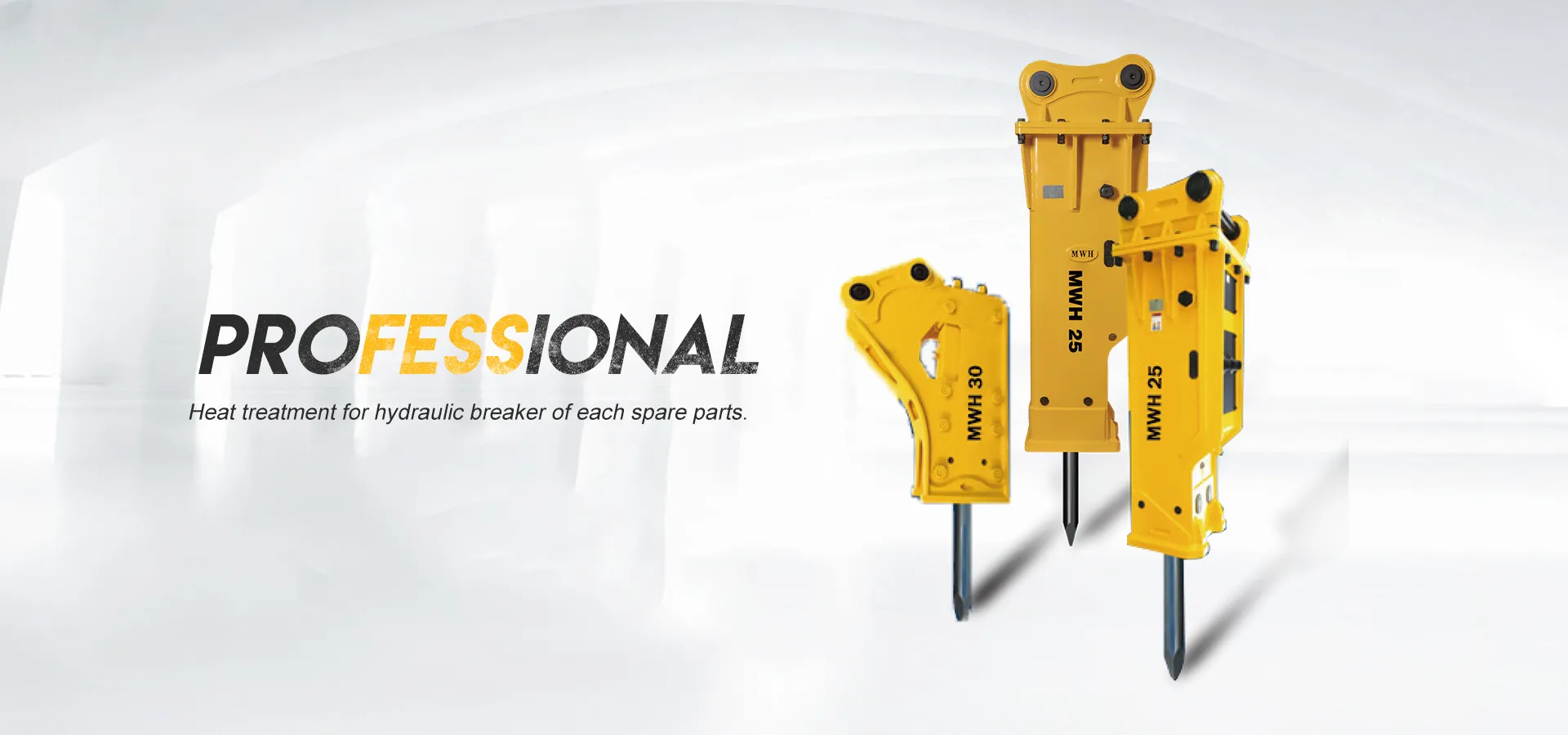
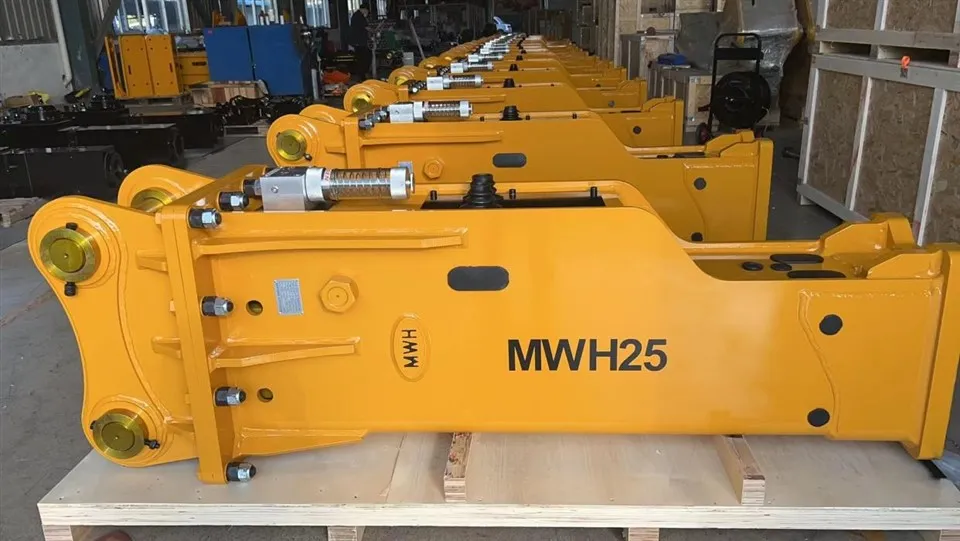
Maanshan Dongqiang Machinery Manufacturing was established in 2014. Our factory currently covers an area of more than 20 acres and is currently being expanded to cover an area of more than 50 acres. It has 83 employees and annual sales of $13.8 million. Our factory mainly produces hydraulic breakers, cylinders, pistons, chisel pins, bushings, bolts, chisels, etc.
Our Advantages
Professional CNC Technology
Our factory uses professional CNC technology and equipment to enable our products to be manufactured with high precision, efficiency, and flexibility, thus improving product quality and production efficiency.
High-Quality Materials
The raw materials for our products come from large steel mills, so we can ensure that the steel used in the production of our products is of stable quality, meets specifications, and has a certain degree of traceability.
Durable Components
The components of our hydraulic crushing equipment are heat treated so they are more durable, more resistant to wear and tear, and able to withstand high pressure and heavy load operating environments.
OEM Available
Our company provides spare parts and OEM services to well-known breaker brands and large domestic trading companies. We also provide products and services to overseas customers.



A Hydraulic Breaker, also known as a percussion hammer, is a heavy mechanical device used to demolish concrete, asphalt, or stone materials. Hydraulic breakers are commonly seen in road construction and are preferred due to their high performance.

Advantages of Hydraulic Breaker
Efficiency in Demolition and Excavation
A significant advantage of hydraulic breakers is their high level of efficiency in demolition and excavation tasks. They can effortlessly break through hard materials, reducing them into manageable pieces or debris. This efficiency saves valuable time and labor, accelerating project timelines and increasing productivity.
Versatility and Adaptability
Hydraulic breakers are available in various sizes and configurations, making them suitable for a wide range of applications. They can be attached to different types of carriers, such as excavators, backhoes, skid steers, and loaders, enhancing their versatility and adaptability to diverse construction projects.
Precise and Controlled Operation
Modern hydraulic breakers are equipped with advanced hydraulic systems that provide precise control over the force and frequency of blows. This level of control allows operators to adjust the impact power based on the material and the specific task, ensuring efficient and targeted results.
Reduced Vibration and Noise
Compared to traditional demolition methods like using jackhammers, hydraulic breakers produce less vibration and noise during operation. This reduction in vibrations not only ensures a safer and more comfortable working environment for operators but also minimizes the risk of structural damage to surrounding buildings and infrastructure.
Enhanced Safety for Operators
Safety is of utmost importance in any construction site, and hydraulic breakers contribute to improved operator safety. Operators can control the breaker remotely from the carrier machine, maintaining a safe distance from the breaking area and potential hazards. This reduces the risk of accidents and injuries, promoting a safer work environment.
Recycling and Material Reuse
By breaking materials into smaller pieces, hydraulic breakers facilitate the recycling process. The debris generated from demolition projects can often be reused as construction fill or processed for other applications, reducing waste and promoting sustainable construction practices.
Application of Hydraulic Breaker
Mining Industry
In the mining industry, hydraulic breakers have been traditionally used to break up rocks and other hard substances. However, recent years have seen a surge in innovative applications beyond this conventional use. Hydraulic breakers are now being used to increase quarry productivity and reduce operational costs by clearing clogs and breaking oversized boulders in primary crushing stations. Some breakers come with features such as the elimination of thru-bolts, improved internal grease routing, and patented dust intake prevention systems. Others come with advanced energy-saving systems to help improve processes. These creative uses and technological advancements are transforming the mining industry, making it safer, more efficient, and more productive.
Construction Work
Hydraulic breakers have long been a staple in the construction industry, renowned for their power in demolishing concrete, asphalt, and stone. But, the application of these versatile tools has evolved far beyond traditional demolition tasks. Certain innovative features are being incorporated into hydraulic breakers to simplify construction work and help contractors reach new heights. Creative uses are found in the field of building demolition, where a new range of hydraulic breakers offers the best available technology for on-site operating machinery. With their powerful breaking energy and low noise levels, hydraulic breakers are fast becoming the first choice for construction work. And these innovative products are pushing the boundaries of what is possible in the construction industry.
Demolition Sector
Traditionally used for breaking down structures, these powerful machines are now being employed in more creative and innovative ways. For instance, some hydraulic breakers are designed with noise and vibration reduction technology, allowing for quieter, more precise demolition in urban or residential areas. This is particularly useful in densely populated areas where noise pollution is a concern. Furthermore, hydraulic breakers are now used for selective demolition, where specific parts of a structure need to be removed while leaving the rest intact. Additionally, some hydraulic breakers are fitted with auto-lubrication systems to increase their lifespan and reduce maintenance costs, making them more cost-effective for large-scale demolition projects.
Quarrying Industry
The quarrying industry is experiencing a shift in the application of hydraulic breakers, with their use expanding beyond traditional rock breaking. For instance, hydraulic breakers are now utilized as primary breakers, allowing for continuous production and reducing the movement of mobile crushers and conveyors. This innovative approach increases quarry productivity and reduces operational costs, as these machines can break oversized boulders that are fed into the crusher and clear clogs in the cavity. Moreover, hydraulic breakers are helping quarries select which rock layers to break, thereby enhancing the value of the final product.
Steel and Recycling Industries
The use of hydraulic breakers in the steel and recycling industries is transforming, with applications that go beyond the conventional. Hydraulic breakers are being employed to extract maximum value from hard-to-process materials like recycled concrete and asphalt. This allows for the efficient recycling of these materials, reducing waste and environmental impact. Furthermore, technological advancements are increasing the lifespan and performance of hydraulic breakers. This is achieved through the use of more wear-resistant steel that extends tool life and reduces the need for frequent replacement, thereby making the recycling process more cost-effective.
Hydraulic breakers use the principle of hydraulics in their work. The rule says that if the pressure is applied on one part of a fluid, that pressure is transferred to all areas of the fluid. As a result, the used force is multiplied. When this rule is applied to incompressible, the result is a transfer of power with a minimal loss. The oil is supplied to the hammer through the valve in the cylinder. At the moment of an upward stroke, the pressure builds up in the upper chamber and is released by the main valve. On the other side, the release of high pressure in the lower chamber causes the piston to move upwards. Next, the upper chamber becomes the high-pressure one and the piston moves downward. These changes in pressure are called impact stroke changes. and generate a lot of energy - the same energy the tool uses to complete various demolition jobs.
Components of Hydraulic Breaker
Chisel
The chisel is the main working part of a hydraulic breaker. It is a pointed or flat tool that is attached to the front of the breaker and used to break through materials. Chisels come in different shapes and sizes depending on the type of material being broken and the application. They can be replaced easily when they become dull or worn out.
Piston
The piston is the main driving force of the hydraulic breaker. It is located inside the cylinder and moves back and forth to generate the power needed to break through tough materials. Pistons can become damaged or worn over time, and it is important to replace them to maintain the efficiency and power of the breaker.
Cylinder
The cylinder is the main housing for the piston and other internal parts of the hydraulic breaker. It is designed to withstand high pressure and impact forces. If the cylinder becomes damaged or worn, it can cause the breaker to malfunction, and it will need to be replaced.
Seal Kit
The seal kit is a collection of rubber and metal seals that are used to prevent oil leaks and maintain the internal pressure of the hydraulic breaker. It is important to replace the seal kit regularly to prevent oil leaks and maintain the efficiency of the breaker.
Front Head
The front head is the top part of the hydraulic breaker that connects to the chisel. It is designed to protect the internal parts of the breaker and to provide a surface for the chisel to strike against. If the front head becomes damaged or worn, it can cause the chisel to become misaligned or cause the breaker to malfunction.
Accumulator
The accumulator is a hydraulic component that stores energy in the form of compressed gas. It is designed to absorb shock and vibrations from the hydraulic system and prevent damage to the internal parts of the breaker. If the accumulator becomes damaged or worn, it can cause the breaker to malfunction, and it will need to be replaced.
Bushing
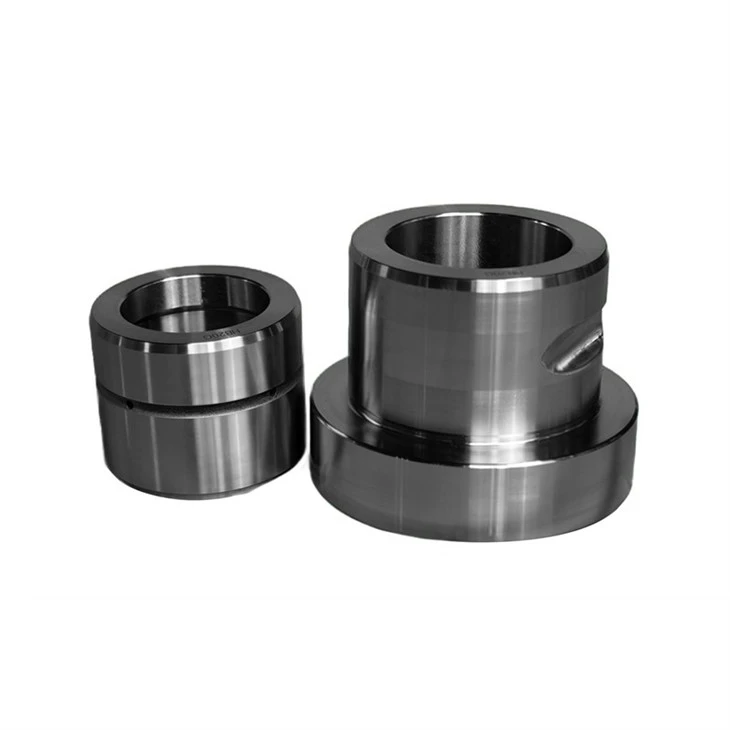
The bushing is a sleeve-shaped component that is used to reduce friction and wear between moving parts in the hydraulic breaker. They are typically made of brass or bronze and can become damaged or worn over time. It is important to replace worn or damaged bushings to maintain the efficiency and power of the breaker.
Diaphragm
The diaphragm is a flexible, rubber component that is used to separate the hydraulic fluid from the compressed gas in the accumulator. It is designed to withstand high pressure and is critical to the proper operation of the hydraulic breaker. If the diaphragm becomes damaged or worn, it can cause the accumulator to malfunction, and it will need to be replaced.
Control Valve
The control valve is a hydraulic component that controls the flow and pressure of hydraulic fluid to the hydraulic breaker. It is typically located in the base of the breaker and is operated by a hydraulic control system. If the control valve becomes damaged or worn, it can cause the breaker to malfunction, and it will need to be replaced.
Retaining Pin
The retaining pin is a small metal pin that is used to hold the chisel in place on the front head of the hydraulic breaker. It is designed to withstand high pressure and impact forces. If the retaining pin becomes damaged or worn, it can cause the chisel to become misaligned or cause the breaker to malfunction.
Maintenance Tips for Hydraulic Breaker
Rock Breaker Maintenance
Choosing the right rock breaker for your needs is only half the job, and it won’t amount to much if you don’t look after it properly. Remember that rock breakers are hydraulic devices, meaning a little more maintenance is required than for a standard manual piece of equipment. Here are some tips for keeping your rock breaker in good working order.
Checking Nitrogen Levels
Nitrogen provides the pressure used in your hydraulic device, and it’s a crucial factor that needs to be checked before use. Nitrogen pressure levels can change depending on the temperature of your work site, which is why you should check the levels every time. In addition, certain tasks require different pressure levels. For example, the pressure you need to break loose rocks is likely very different from the pressure level required for breaking asphalt. So, understand your job, the temperature in the area, and the pressure required to complete the job. This makes it much easier to adjust your nitrogen levels accordingly.
Checking Hydraulic Hoses and Couplings for Damage
Aside from your nitrogen levels, your hydraulic hoses do most of the work when using a rock breaker. Your hoses should be made from strong, durable materials because of the power of work they need to handle. However, they also must be flexible and fixed at the correct length. Every rock breaker is different, but the hoses need to be long enough that they aren’t stretched to their limit during use but short enough to ensure they don’t catch on anything during operation. In terms of maintenance, you need to check hoses and couplings for visible signs of damage or wear and tear. If a hose breaks during use, your system will be severely compromised, so visual checks are extremely important.
Servicing Regularly
Needless to say, regular servicing of your machinery is paramount. This stands true for vehicles, machinery, and even attachments such as rock breakers. Even if your breaker works fine, it’s important to maintain a regular service schedule. Doing this lets you identify abnormal wear and tear or other signs of minor issues before they become expensive problems. The cost of servicing a rock breaker is far lower than the cost of replacing it completely due to neglect.
Greasing the Breaker
Operating a rock breaker involves a lot of moving parts, especially in the breaker itself. You might find that modern rock breakers come fitted with an automatic lubrication function, but many attachments will need manual intervention. You should grease your breaker regularly to reduce friction between metal parts, maintain a proper working temperature and clear the bushing area of debris that can damage components.
Ensuring the Breaker isn’t Leaking Oil
Checking oil seals is the best way to determine if your rock breaker is leaking oil. Typically, oil will leak from the piston rod if there is an issue with your seal, so these should be checked regularly. First, you’ll need to determine if your breaker is leaking oil, and this can usually be done with a visual inspection. Remember that oil leaks could occur during operation, so you may need to safely stop operating the excavator and check for oil leaks. You can also do this when you first start the machine.
Factors to Consider Before Choosing a Hydraulic Breaker
Also known as a hydraulic hammer, hoe ram, or rockbuster, a hydraulic breaker doesn’t work on its own. It needs to be mounted onto a carrier. Correctly pairing the breaker to the carrier is vital for getting the most power and longevity out of the demolition tool. As you consider your carrier, you’ll need to factor in its operating weight, lift capacity, and hydraulic output to make sure that your hydraulic breaker will be properly powered. If the hydraulic breaker is too large or heavy for your chosen carrier, you’ll experience excessive wear of both machines and tipping problems. If the breaker is too small, its frame and outer casing will be prone to cracks at the weldments, and likely damage the hammer with too much oil delivery, which could set your project back.
Another thing you’ll need to pay close attention to is getting the right sized hydraulic hammer for the task at hand. What types of materials need to be broken down in your project? If working with rocks, keep in mind that hardness differs greatly among different rock types. A hydraulic breaker that isn’t large enough for the material will be overtaxed, causing it to fail prematurely. Also, consider the overall thickness of the material and whether it is solid or has fissures, or cracks in it. If you’re working with concrete instead of rock, you’ll need to know if there are any rebar reinforcements.
Whether you’re looking for an internal or external valve hydraulic breaker, many models have advanced features that might serve your project well. For example, automatic power adjustment allows the breaker to change its power based on the determined hardness of the material. Energy recovery systems heighten the power capacity of the hydraulic hammer by redirecting energy from the accumulator. Other features like automatic lubrication, noise dampening, speed control, and dust suppression could also be useful for your project.
It can be tempting to go all out and choose the largest hydraulic breaker possible with all the extra features, but remember that less is more in many cases. Always consider what you need for what you do in your demolition, excavation, or quarry business. A hydraulic hammer with lots of complicated features can often be more difficult and more expensive to repair. If the hydraulic breaker is penetrating the material at every cycle, it will get the job done efficiently. If the material’s hardness does not require it, having a much heavier hydraulic breaker will slow your ability to maneuver the breaker across the material, and increase the likelihood of blank firing. However, most demolition and excavation contractors choose the largest breaker that can be safely matched to their skid steer, excavator, or backhoe as they want to be prepared for the hardest material they will encounter, and avoid rentals.
Our Factory
Our factory is equipped with advanced equipment such as Central Cylinder Dedicated Eccentric Groove Milling Machine, CNC High-Precision Cylindrical Grinding, Cylinder Block Special Large Punching Machine, High Precision Horizontal Machining Center, Special Crescent Groove Milling For Cylinder, Vertical Machining Center, etc., which are high-precision products Provides the basis for rapid production.


Ultimate FAQ Guide to Hydraulic Breaker
Q: What is a hydraulic breaker in mining?
Q: What is a hydraulic breaker or hammer?
Q: What is the pressure in a hydraulic breaker?
Q: How does a hydraulic breaker hammer work?
Q: What is the structure of a hydraulic breaker?
Q: Why is my hydraulic breaker not working?
Q: Is a jackhammer a breaker?
Q: What is the pressure of nitrogen in a hydraulic breaker?
Q: What is a hydraulic breaker on an excavator?
Q: How do I choose a rock breaker?
Q: Why nitrogen is used in hydraulic breakers?
Q: What is a rock breaker used for?
Q: What are hydraulic breakers?
Q: What are the advantages of hydraulic breaker attachments?
Q: How to distinguish three types of breakers?
● Hammerhead shape: The hammer head of a side type hydraulic breaker is designed in the shape of an equilateral triangle, while the hammerhead of a Top type hydraulic breaker is square with both sides equal.
● Working noise: Generally speaking, the noise of the side-type hydraulic breaker and Top-type hydraulic breaker is larger. In comparison, the noise of box-type hydraulic breakers is lower.
● Structural features: The hammer bodies of side-type hydraulic breakers and Top type hydraulic breakers are protected by thick steel plywood on both sides, but they lack comprehensive protection of the hammer body. The shell of the Box type hydraulic breaker completely wraps the hammer body and contains vibration-absorbing materials, which create a buffer between the hammer body and the shell, and can also reduce the vibration of the carrier.
Q: How do I attach a hydraulic breaker to my excavator?
Q: What is the hydraulic breaker hammer structure?
The back head is a chamber for storing nitrogen. When placed under high pressure, this nitrogen-filled chamber acts like a damper upon the return piston-stroke. It also works like an impact enhancer when the piston travels down.
● Cylinder Assembly
The cylinder assembly is the core part of a hydraulic breaker hammer. It mainly consists of a cylinder, a piston, and a control valve. The piston and the valve are the only two moving parts of a hydraulic breaker hammer. The piston moves up and down and hits on the tool, while the valve rotates to control the oil flow’s direction. It is the place where movement happens and where the hydraulic power is generated. With the main valve controlling the oil, the hydraulic flow drives the piston movement to generate impact energy. A set of seal kits are put inside the cylinder to prevent oil leakage.
● Front Head
This is where the piston connects with the chisel (or working tool). The chisel is fixed with bushes and pins, which are the parts that need to be replaced most frequently. The front head touches the working surface directly, and a box-type housing could protect it from wearing and lead to longer service life.
Q: What types of hydraulic breakers are available?
Q: What is a rock breaker and how does it work?
Q: How do you use a hydraulic rock breaker?
As one of the leading hydraulic breaker manufacturers in China, we warmly welcome you to buy high-grade hydraulic breaker made in China here from our factory. All customized products are with high quality and low price.
Hydraulic Quick Hitch, Back Head for Breaker, Sorting Grab