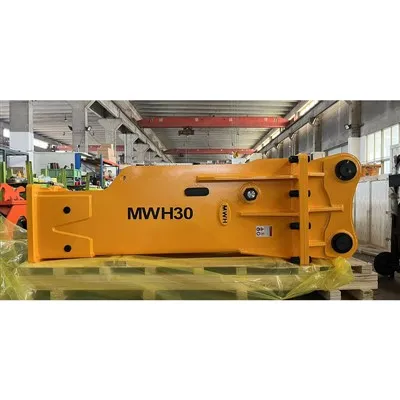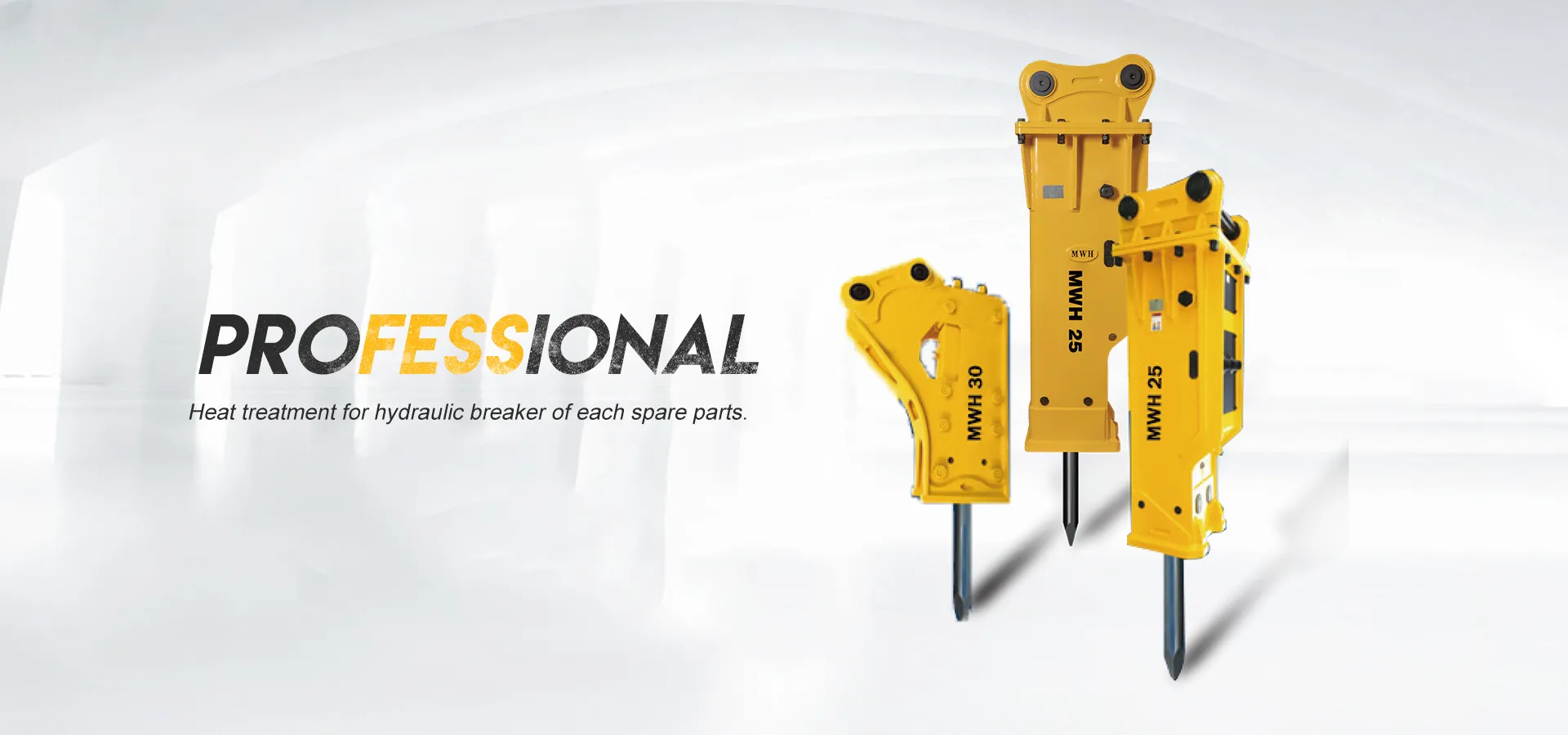
Maanshan Dongqiang Machinery Manufacturing was established in 2014. Our factory currently covers an area of more than 20 acres and is currently being expanded to cover an area of more than 50 acres. It has 83 employees and annual sales of $13.8 million. Our factory mainly produces hydraulic breakers, cylinders, pistons, chisel pins, bushings, bolts, chisels, etc.
Our Advantages
Professional CNC Technology
Our factory uses professional CNC technology and equipment to enable our products to be manufactured with high precision, efficiency, and flexibility, thus improving product quality and production efficiency.
High-Quality Materials
The raw materials for our products come from large steel mills, so we can ensure that the steel used in the production of our products is of stable quality, meets specifications, and has a certain degree of traceability.
Durable Components
The components of our hydraulic crushing equipment are heat treated so they are more durable, more resistant to wear and tear, and able to withstand high pressure and heavy load operating environments.
OEM Available
Our company provides spare parts and OEM services to well-known breaker brands and large domestic trading companies. We also provide products and services to overseas customers.
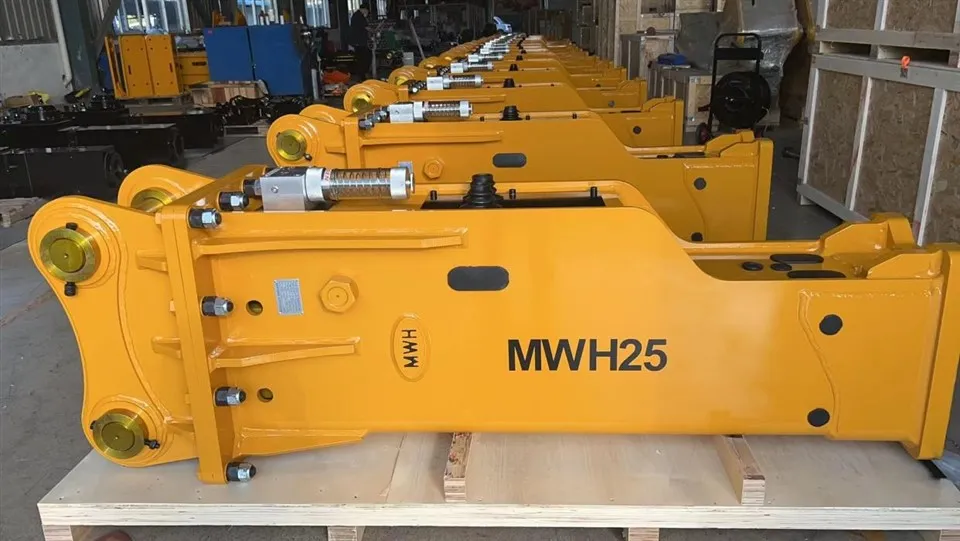
DongQiang Hydraulic Rock Breaker DQ81 For 19~25 Tons Excavator
The DongQiang Hydraulic Rock Breaker DQ81 For 19~25 Tons Excavator is suitable for excavators with an operating weight range of 19 to 25 tons. It delivers a high impact energy, typically ranging from 500 to 800 joules.
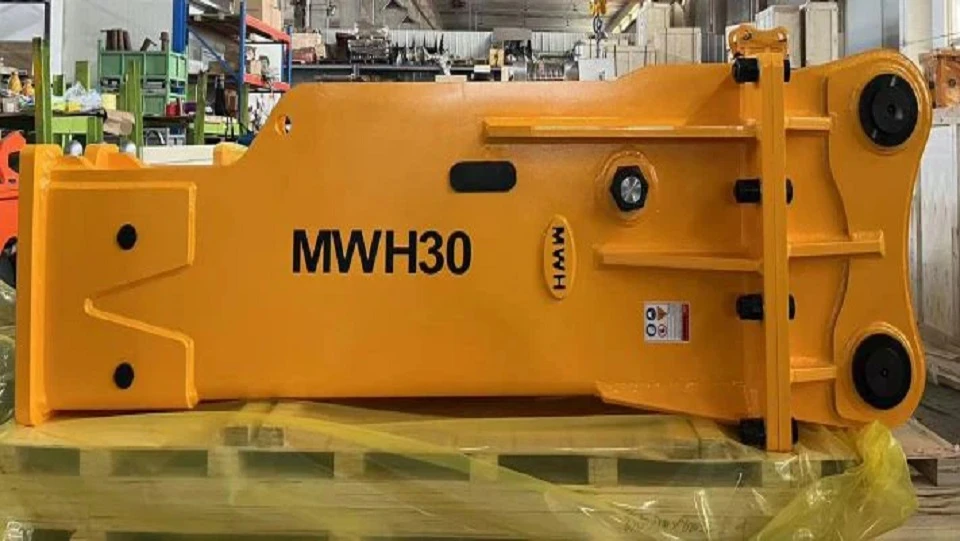
DongQiang High Quality Hydraulic Breaker Hammer DQ121 For 28~35 Tons Excavator
The DongQiang High Quality Hydraulic Breaker Hammer DQ121 For 28~35 Tons Excavator is suitable for excavators with an operating weight range of 28 to 35 tons. It is designed for breaking and demolishing hard materials such as rocks, concrete, and asphalt.
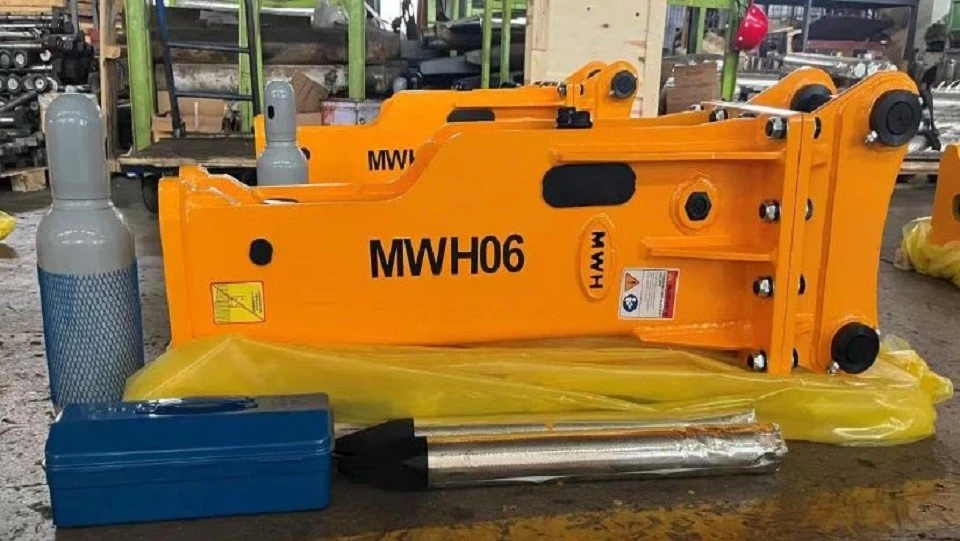
DongQiang Good Quality Hydraulic Breaker Hammer DQ 43 For 6~9 Tons Excavator
A DongQiang Good Quality Hydraulic Breaker Hammer DQ 43 For 6~9 Tons Excavator is typically designed to efficiently break through hard materials such as rocks, concrete, and asphalt. These breakers are usually compact and lightweight to ensure compatibility with smaller excavators.
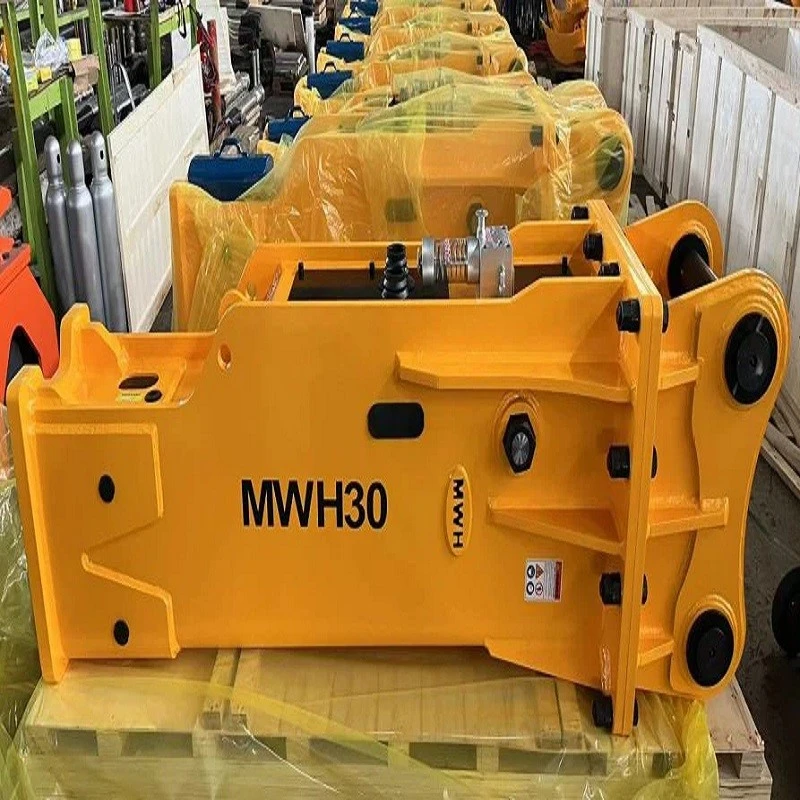
DongQiang High Quality Hydraulic Breaker Hammer DQ Series For 20 Tons Excavators
The DongQiang High Quality Hydraulic Breaker Hammer DQ Series For 20 Tons Excavators is suitable for excavators weighing around 20 tons. It delivers a higher impact energy to efficiently break through hard materials.
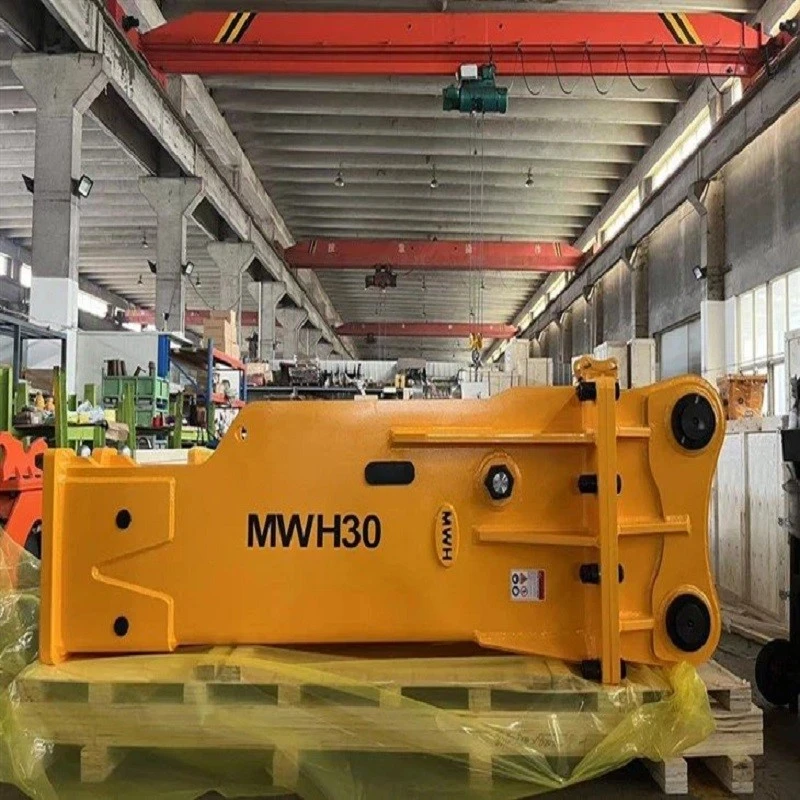
A side type breaker, also known as a side-mounted hydraulic breaker. Unlike other types of hydraulic breakers that are mounted on the front or top of the machine, side type breakers are mounted on the side arm or boom of the equipment.
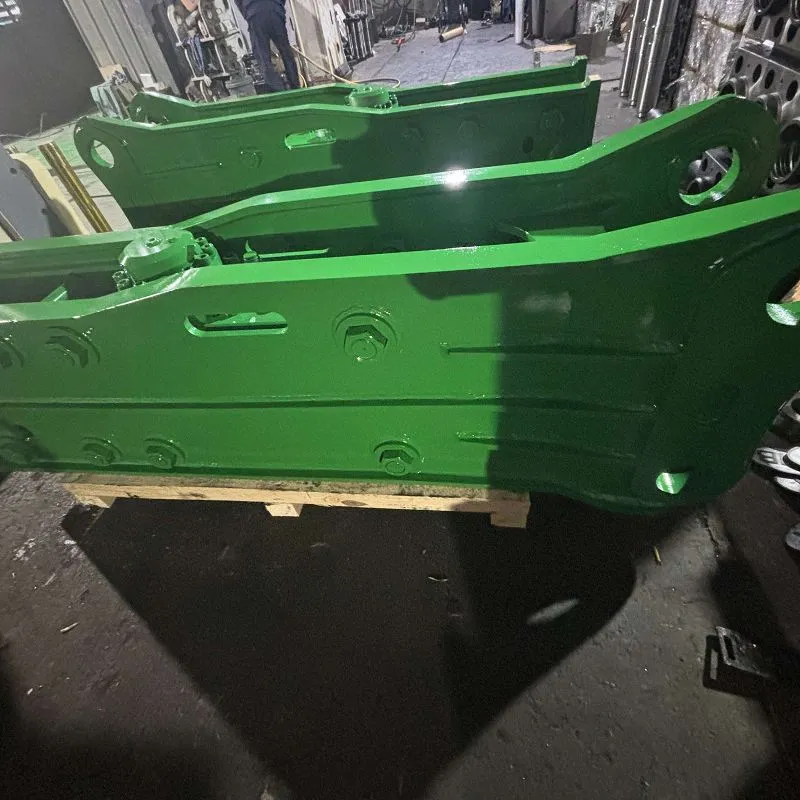
DQ Hydraulic Rock Breaker Stone Jack Hammer For Excavator Equipment SB81 With Accumulator Top Type
The DQ Hydraulic Rock Breaker Stone Jack Hammer For Excavator Equipment SB81 With Accumulator Top Type utilizes the hydraulic system of the excavator to generate power. It is connected to the excavator's hydraulic lines and uses the hydraulic pressure to operate the breaker mechanism.

Large hydraulic breakers are typically characterized by their high impact energy and robust construction. They are capable of delivering a substantial amount of force to break through even the toughest materials. These breakers are commonly used in applications such as quarrying, mining, road construction, etc.

Medium hydraulic breakers offer a balance between power and size, making them suitable for tasks that require more impact energy than what a mini breaker can provide but may not necessitate the heavy-duty capabilities of a large breaker.

A 30Tons Excavator Hammer, also known as a hydraulic breaker or hydraulic hammer, is a heavy-duty hydraulic attachment designed to be mounted on a 30-ton excavator. The "30-ton" specification refers to the weight class of the excavator that the hammer is compatible with.
Hydraulic breakers are powerful construction tools that are used for breaking or demolishing hard materials such as concrete, rocks, and asphalt. They are commonly used in construction, mining, and demolition projects.

Side Mounted Hydraulic Breaker
Side and top type hydraulic breakers usually use two thick steel splints to protect both sides of the breaker core. This structural design does not protect the front and back of the hydraulic breaker. Therefore, operation noise and vibration can be issues and the plates may also come loose or break.
Main features:
● Ideally suited for demolition or construction jobs
● For demolition jobs, the side mounted hydraulic breaker has a lower installation point so the breaker could be lifted at higher angles for knocking down walls or other construction material.
● Easy dismantlement and maintenance
Top Mounted Hydraulic Breaker
Similar to the side mounted, a top mounted hydraulic hammer can suffer from more noise and vibration due to the design. However, a top mounted hammer does have an advantage for mining or quarry work since the straight design is optimal for maximum downforce.
Main features:
● Easy to control and locate, more convenient to do breaking jobs
● Vertical open-bracket design reduce the malfunction range of the chisel
● Longer overall length and breaking distance
● Upper transfer head is replaceable for better versatility
Top mounted hydraulic breaker directly works on the material so it has the vertical impact advantage, especially for breaking stone and quarry material.
Box or Silenced Hydraulic Breaker
Main features:
● Low noise and vibration levels
● Full closed box design protects the main body from damage
● Upper transfer head is replaceable for better versatility
● Longer overall length and long breaking distance
The structure of the box silenced type breaker is a complete shell rather than having the front and back of the tool open. The hydraulic hammer shell can also be equipped with dampening material to minimize noise and vibration issues for the operator. Since the shell covers all sides, the plates should not come loose or break under normal conditions.
Protects Other Equipment
A hydraulic breaker can protect other parts of the excavator from damage. For instance, your excavator can stumble upon a hard surface in the ground. If the excavator is using a bucket, the bucket's teeth will likely become damaged. The solution is to replace the bucket with a hydraulic breaker attachment so that you can break the hard material without damaging the excavator.
Highly Efficient
If you were to use a hammer to break a hard surface, you would take several days or weeks to complete the job. An excavator with a hydraulic breaker can do the job in minutes or hours. You also have an easier time handling the mess the excavator leaves behind. High efficiency means that your projects are executed smoothly and without any delays.
Budget Savings
One way to reduce the time taken to break a hard surface using a hammer is to hire more manpower. But more workforce means more salary and increased strain on your budget. One hydraulic breaker can do the same job within a short time. The result will be massive savings of both money and time.
Low Fuel Consumption
Contrary to myth, hydraulic breakers don't use a lot of fuel. In fact, some hydraulic breakers can consume less fuel than other machines that do the same job. While the initial price of hydraulic breakers can be high, you will save much more money on fuel in the long term.
Customization
The manufacturer of your hydraulic hammer can customize it to fit your specific needs. You will get a hydraulic breaker that has the appropriate backhoe and skid steer. As a result, you don't have to worry about any errors that may occur due to the use of equipment with the wrong specification.
Construction
In construction projects, we often use hydraulic rock breakers to break apart concrete foundations, walls, and other structures we want to remove. A hydraulic rock breaker can also break up rocks and boulders in the way of specific construction projects, such as roads and bridges.
Mining
People also use rock breakers in mining operations to break apart solid rock and ore deposits, making it easier to extract valuable minerals. They can break up large rock pieces or create tunnels and access points for mining operations.
Demolition
In demolition projects, hydraulic rock breakers are essential tools for breaking apart structures and removing debris. They can be used to break apart concrete walls, steel structures, and other materials that need to be removed during demolition projects.
Hydraulic breaker works on the principle of hydraulics by Blaise Pascal which states that "applying pressure on one part of a fluid transfers that pressure to all areas of the fluid, allowing for a multiplication of force". Since the oil used is incompressible, it allows the transfer of power instantly with negligible loss.
The hydraulic breaker starts with its main valve in the cylinder. The hydraulic oil is supplied to the hammer through this valve. When an upward stroke takes place, the pressure in the upper chamber is released by the main valve and through the outlet. Then the high pressure in the lower chamber pushes the piston upwards.
As the piston reaches the upper end of the stroke, the main valve directs the flow to the upper chambers which makes it a high-pressure chamber. This causes the piston to move downward because of accumulated energy from the gas chamber, hence creating the impact stroke cycle. The energy is transferred to the tool that uses it to do various tasks.
At the point of impact, the main valve shifts, and the pressure from the upper chamber is released, enabling the upper stroke to take place.
Most hydraulic hammers come with fully enclosed housing over their parts not only to protect them from other materials but to ensure that they last longer. To increase the safety of the equipment to which the hydraulic hammer is attached, the models comprise shock absorbers at the top that absorbs all the impact and recoil energies. Moreover, the shock absorber also helps to protect the parts of the hydraulic hammer. Some of the hydraulic hammers are equipped with steel bushing in their bottom that isolates them from vibration.
Hydraulic hammers are environment-friendly because they produce less noise and pollutants. They are preferred in places that are sensitive to vibration and noise, as a vibratory hammer may damage the existing structures.
Chisels/Bits
Chisels, also known as bits or tool bits, are the working ends of hydraulic breakers that actually come into contact with the material being broken. They are typically made of high-quality steel and are available in various shapes, sizes, and materials to suit different applications. Common types of chisels include moil point, flat, blunt, and wedge chisels. Moil point chisels are used for general-purpose breaking and provide a concentrated impact for breaking through hard materials. Flat chisels are used for surface leveling and concrete removal, blunt chisels are used for scaling and removing concrete from walls, and wedge chisels are used for breaking and removing large rocks or concrete blocks. Chisels are considered consumable items and may need to be replaced periodically depending on the intensity and frequency of usage.
Pistons
Pistons are critical components of hydraulic breakers that convert the hydraulic pressure generated by the hydraulic system into kinetic energy, which is used to deliver the impact force to the chisel. Pistons are typically made of high-grade steel and are precision-machined to tight tolerances to ensure smooth operation and maximum impact energy transfer. Pistons are subject to wear and tear and may need to be replaced over time, especially if there are signs of damage or excessive wear, such as scoring or pitting.
Front Head
The front head, also known as the front head assembly or front head housing, is the main body of the hydraulic breaker that houses the piston, chisel, and other internal components. It is typically made of high-strength steel and is designed to withstand the high impact forces generated during operation. The front head also acts as a buffer to absorb the recoil forces produced by the hydraulic breaker. Front heads may need to be replaced if they are damaged, cracked, or worn out.
Accumulators
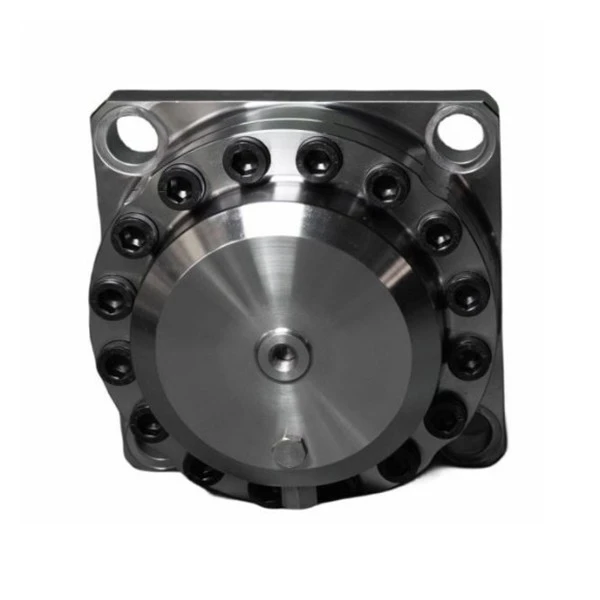
Accumulators are hydraulic components that store and release hydraulic energy to cushion the impact forces generated by hydraulic breakers. They help to reduce the wear and tear on the hydraulic system and provide a smoother operation. Accumulators are typically filled with nitrogen gas, which is compressed when the hydraulic breaker is in operation and then released to absorb the impact forces during the return stroke of the piston. Accumulators may need to be replaced if they lose pressure, become damaged, or show signs of wear.
Seals
Seals are crucial components of hydraulic breakers that prevent hydraulic fluid from leaking and ensure the efficient operation of the hydraulic system. They are typically made of high-quality rubber or other materials and are used in various locations within the hydraulic breaker, including the front head, piston, and accumulator. Common types of seals used in hydraulic breakers include piston seals, buffer seals, front head seals, and dust seals. Seals may need to be replaced if they are damaged, cracked, or worn out, as they can affect the performance and reliability of the hydraulic breaker.
Diaphragms
Diaphragms are flexible membranes that are used in the hydraulic system of some hydraulic breakers to separate the hydraulic fluid from the compressed nitrogen gas in the accumulator. They allow for the transfer of energy between the hydraulic and gas compartments of the accumulator and help to maintain the proper pressure levels. Diaphragms are typically made of durable materials such as rubber.
Tips for Breaker
Set Up the Breaker Properly
The first thing that you can do when you get your new hydraulic breaker (and possibly the most simple) is to set up your hydraulic breaker properly each time. Operators of the breaker should be knowledgeable about the equipment and what it can do. They should also make sure that the hydraulic systems match the hammer. If the equipment does not align properly, it can cause major damage to the machinery.
Use Grease Specific to Your Breaker
When you use grease on your hydraulic breaker, it is essential that you are using the correct type of grease and amount. What this does is keep the bushing area filled, which prevents the machinery from overheating and reduces friction. Operators of hydraulic breakers should be aware that the amount of grease used for their specific breaker depends on the type of breaker they have. For help with this, enlist the help of a professional breaker service company.
Have the Breaker Inspected Regularly
An inspection is a great way to determine if there are kinks with your hydraulic breaker. A routine checkup on all the parts and components will ensure that everything is running smoothly which can save you time and money in the long term.
Carrier Size
With the correct-size hammer for your machine and application, you can knock out whatever comes your way. But a hammer that's too heavy could make your excavator or backhoe unstable and unsafe. The hammer could drop down too far after the material is broken, lowering productivity. On the other hand, your machine's power can damage a hammer that's too small. Stability and safety are your top priority. Plus, matching the hammer to the application and machine delivers the performance you expect.
Mounting Systems
Hammers are designed to be pinned to the machine or attached with a coupler system. Couplers make it easy to switch from hammer to other attachments and back again. They're useful in rental machines, mixed fleets and for solo operators who work with one machine.
Hydraulic Requirements
Determine the oil pressure and flow rate the hammer requires and if your excavator can provide that. Too little hydraulic pressure cuts down on productivity. You'll have a slow, unproductive hammer and a lot of overtime. Too much flow can overheat the hammer and the hydraulic system, destroying seal kits in both and potentially ruining the hammer.
Productivity Features
The technology built into today's hammers makes them more efficient than ever. For example:
Automatic shutoff stops the piston from cycling as soon as it senses the material has fractured. This saves on tool wear and tear and is especially helpful for inexperienced operators.
Noise suppression housings can help keep you in the public's good graces when working in urban environments. And a quieter jobsite is a safer jobsite.
The automatic lubrication system (autolube) provides a constant flow of grease to the hammer while in operation. It saves you manual labor and time. And it's the most important maintenance item you can provide for your hammer.
Wear package options can protect the hammer housing of your performance hammer in abrasive applications such as trenching and boulder breaking.
Bit/Tool Types
● Blunt: Used in igneous and tough metamorphic rock in which the tool does not penetrate the material. Select for demolishing concrete structures and boulder breaking. It is often the most effective tool as its flat end radiates impact energy in all directions.
● Chisel: Used in sedimentary and weak metamorphic rock into which the tool penetrates. Select for non-abrasive but ductile rock or when needing medium penetration to open seams and direct energy in a specific direction.
● Moil: Used in sedimentary and weak metamorphic rock and concrete into which the tool penetrates. Select for soft, non-abrasive rock or when needing greater protection against excessive retaining pin groove wear.
Maintenance
Despite the brutal work they take on, hammers can last for years with proper rebuilds and maintenance. Simplified tool removal and rotatable bushings reduce service time and costs.
Our Factory
Our factory is equipped with advanced equipment such as Central Cylinder Dedicated Eccentric Groove Milling Machine, CNC High-Precision Cylindrical Grinding, Cylinder Block Special Large Punching Machine, High Precision Horizontal Machining Center, Special Crescent Groove Milling For Cylinder, Vertical Machining Center, etc., which are high-precision products Provides the basis for rapid production.


Ultimate FAQ Guide to Breakers
Q: What is the difference between a drop hammer and a hydraulic breaker?
Q: What is the difference between pneumatic and hydraulic breakers?
Q: Why is my hydraulic breaker not hammering?
Q: What is the flow rate of a hydraulic breaker?
Q: What gas is in a hydraulic breaker?
The accumulator is filled with nitrogen, which can store the remaining energy of the hydraulic breaker in the previous blow and the energy of the piston recoil, and release the energy at the same time during the second blow to increase the striking power.
Q: How does a hydraulic breaker work?
Q: How to select hydraulic breaker for excavator?
Another important parameter is the hydraulic oil pressure and flow rate per minute: if the oil supply is low, the impact value is not correct or the piston does not start up; if the values are high, immediate damage is also possible.
To determine the most appropriate device for the job, experts conduct thorough calculations based on multiple factors, including the materials to be demolished and the characteristics of the terrain.
Q: When are Hydraulic Breakers Needed?
Q: What is the power source of breaker?
Q: What is the routine maintenance procedure of breakers
● The shock absorbers and tie rods (if present) must be checked at the start and end of each work shift.
● Check that the tool retention pins and fixing bolts of the adaptor plate are correctly fitted and tightened.
● Check that there are no hydraulic fluid leaks along the hoses, connectors, and tools.
● Inspect the breaker overall for any weld failures or cracks in the casing, adaptor plate, and tool.
Q: Can breaker blank fire?
Q: Can you use concrete breakers for more than just concrete?
Q: What is the average cost of a breaker?
Q: Why is my hydraulic breaker not firing?
Q: How often should you grease a rock breaker?
Q: How to choose the size of breaker?
Hot Tags: dongqiang high quality hydraulic breaker hammer dq121 for 28~35 tons excavator, China dongqiang high quality hydraulic breaker hammer dq121 for 28~35 tons excavator manufacturers, factory, Wear Resistance Orange Peel Grapple, Excavator Rake, Outer Bush for Breaker, skid steer with breaker, Clamp Bucket for excavator, hydraulic hammer for mini excavator