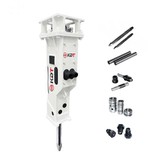
What is the operating pressure of a hydraulic breaker?
As a leading supplier of hydraulic breakers, I often encounter inquiries from customers about the operating pressure of these powerful tools. Understanding the operating pressure of a hydraulic breaker is crucial for ensuring its optimal performance, longevity, and safety. In this blog post, I will delve into the concept of operating pressure, its significance, and how it affects the operation of hydraulic breakers.
Understanding Hydraulic Breaker Operating Pressure
The operating pressure of a hydraulic breaker refers to the pressure at which the hydraulic system of the breaker operates to generate the necessary force for breaking rocks, concrete, and other hard materials. It is measured in pounds per square inch (psi) or megapascals (MPa). The operating pressure is a critical parameter that determines the breaker's impact energy, frequency, and overall performance.
The operating pressure of a hydraulic breaker is typically specified by the manufacturer and can vary depending on the model, size, and application of the breaker. It is important to note that operating the breaker at the recommended pressure is essential for achieving the best results and preventing damage to the equipment.
Significance of Operating Pressure
The operating pressure of a hydraulic breaker plays a vital role in its performance and efficiency. Here are some key reasons why understanding and maintaining the correct operating pressure is important:
- Impact Energy: The operating pressure directly affects the impact energy of the hydraulic breaker. Higher pressure generally results in greater impact energy, which means the breaker can break through harder materials more effectively. However, operating the breaker at excessive pressure can also cause damage to the tool and the carrier equipment.
- Frequency: The operating pressure also influences the frequency of the breaker's blows. A higher pressure can increase the frequency, allowing for faster and more efficient breaking. However, too high a frequency can lead to premature wear and tear of the breaker components.
- Tool Life: Maintaining the correct operating pressure is crucial for extending the life of the hydraulic breaker and its components. Operating the breaker at the recommended pressure helps to minimize stress and wear on the tool, reducing the risk of breakdowns and costly repairs.
- Safety: Operating the hydraulic breaker at the correct pressure is essential for ensuring the safety of the operator and the surrounding environment. Excessive pressure can cause the breaker to malfunction, leading to unexpected movements or even explosions. Therefore, it is important to follow the manufacturer's guidelines and use the appropriate pressure settings.
Factors Affecting Operating Pressure
Several factors can affect the operating pressure of a hydraulic breaker. Here are some of the main factors to consider:
- Carrier Equipment: The hydraulic system of the carrier equipment, such as an excavator or a backhoe, plays a crucial role in determining the operating pressure of the breaker. The carrier equipment must be capable of providing the required flow and pressure to operate the breaker effectively.
- Hydraulic Hoses and Fittings: The quality and condition of the hydraulic hoses and fittings can also affect the operating pressure of the breaker. Damaged or worn hoses and fittings can cause leaks, which can result in a loss of pressure and reduced performance.
- Temperature: The temperature of the hydraulic fluid can have a significant impact on the operating pressure of the breaker. As the temperature increases, the viscosity of the fluid decreases, which can lead to a decrease in pressure. Therefore, it is important to use the appropriate hydraulic fluid and maintain the correct temperature range.
- Tool Wear: The wear and tear of the breaker tool can also affect the operating pressure. As the tool wears down, the impact energy and frequency may decrease, requiring an increase in pressure to maintain the same level of performance.
Maintaining the Correct Operating Pressure
To ensure the optimal performance and longevity of your hydraulic breaker, it is important to maintain the correct operating pressure. Here are some tips to help you achieve this:
- Read the Manual: Before operating the hydraulic breaker, carefully read the manufacturer's manual to understand the recommended operating pressure and other important specifications.
- Use the Right Equipment: Make sure the carrier equipment is compatible with the breaker and capable of providing the required flow and pressure.
- Inspect the Hydraulic System: Regularly inspect the hydraulic hoses, fittings, and fluid levels to ensure they are in good condition and free from leaks.
- Monitor the Pressure: Use a pressure gauge to monitor the operating pressure of the breaker during operation. If the pressure is too high or too low, adjust the settings accordingly.
- Replace Worn Parts: Replace worn or damaged breaker tools and components as soon as possible to maintain the correct operating pressure and performance.
Recommended Operating Pressure Ranges
The recommended operating pressure ranges for hydraulic breakers can vary depending on the model and size of the breaker. Here are some general guidelines:
- Small Breakers: For small hydraulic breakers with a weight of up to 500 kg, the recommended operating pressure is typically between 120 and 180 bar (1,740 and 2,610 psi).
- Medium Breakers: Medium-sized hydraulic breakers with a weight between 500 and 2,000 kg usually require an operating pressure of 140 to 200 bar (2,030 and 2,900 psi).
- Large Breakers: Large hydraulic breakers with a weight of over 2,000 kg may need an operating pressure of 160 to 220 bar (2,320 and 3,190 psi).
It is important to note that these are just general guidelines, and the actual operating pressure may vary depending on the specific application and the manufacturer's recommendations. Always refer to the manufacturer's manual for the exact operating pressure requirements of your hydraulic breaker.
Choosing the Right Hydraulic Breaker
When choosing a hydraulic breaker, it is important to consider the operating pressure requirements and ensure that the breaker is compatible with your carrier equipment. Here are some factors to consider:
- Carrier Equipment Compatibility: Make sure the breaker is designed to work with the hydraulic system of your carrier equipment. Check the flow rate, pressure, and connection size requirements to ensure a proper fit.
- Application: Consider the type of application you will be using the breaker for. Different applications may require different operating pressures and impact energies.
- Breaker Size and Weight: The size and weight of the breaker can also affect its operating pressure requirements. Larger breakers generally require higher pressures to operate effectively.
- Manufacturer's Reputation: Choose a reputable manufacturer that offers high-quality hydraulic breakers and provides reliable technical support.
Conclusion
In conclusion, understanding the operating pressure of a hydraulic breaker is essential for achieving optimal performance, longevity, and safety. By maintaining the correct operating pressure, you can ensure that your breaker operates efficiently, breaks through hard materials effectively, and lasts for a long time.


As a hydraulic breaker supplier, we offer a wide range of high-quality breakers with different operating pressure requirements to meet the needs of various applications. Our breakers are designed and manufactured to the highest standards, ensuring reliable performance and durability.
If you are in the market for a hydraulic breaker or need more information about operating pressures, please feel free to contact us for a consultation. Our team of experts will be happy to assist you in choosing the right breaker for your needs and providing you with the necessary technical support.
References
- Manufacturer's manuals for hydraulic breakers
- Industry standards and guidelines for hydraulic systems
- Technical literature on hydraulic breaker operation and maintenance