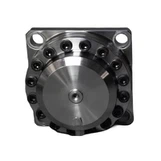
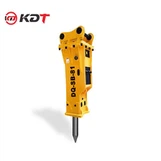
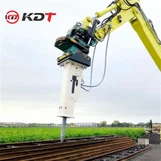
Yo, I'm a supplier of hydraulic hammers, and I've seen my fair share of these bad boys in action. Over the years, I've noticed that a lot of users run into issues with their hydraulic hammers not performing up to par. So, I thought I'd share some of the signs that your hydraulic hammer might be having a rough time.
1. Reduced Impact Energy
One of the most obvious signs that your hydraulic hammer is underperforming is a decrease in impact energy. You know, when you first got the hammer, it could break through concrete and rock like it was nothing. But now, it seems to be struggling even with the simplest of tasks.
There could be a few reasons for this. First off, the hydraulic system might be the culprit. If the hydraulic pump isn't delivering enough pressure, the hammer won't be able to generate its full impact force. Another possibility is that the piston inside the hammer is worn out. Over time, the constant pounding can cause the piston to wear down, reducing its ability to transfer energy to the chisel.
If you notice that your hammer isn't hitting as hard as it used to, it's definitely time to take a closer look. You might want to check the hydraulic fluid levels and the condition of the pump. And if you suspect that the piston is the problem, you might need to replace it. We offer a wide range of replacement parts for our Large Hydraulic Breaker, so you can get your hammer back in top shape.
2. Unusual Noises
Hydraulic hammers are noisy by nature, but if you start hearing strange or excessive noises, it's a sign that something's not right. For example, if you hear a rattling sound, it could mean that there are loose parts inside the hammer. This could be anything from a loose chisel to a broken retaining pin.
A high-pitched screeching noise, on the other hand, could indicate a problem with the hydraulic system. It might be that the hydraulic fluid is contaminated or that there's an air leak in the system. Air in the hydraulic lines can cause cavitation, which can damage the pump and other components.
If you hear any unusual noises coming from your hammer, stop using it immediately. Continuing to operate the hammer with a problem can lead to further damage and potentially dangerous situations. Inspect the hammer for loose parts and check the hydraulic system for leaks or contamination. We can help you diagnose and fix these issues, so don't hesitate to reach out.
3. Slow Operation
Is your hydraulic hammer taking longer to complete tasks than it used to? Slow operation can be a sign of several problems. One common cause is a clogged hydraulic filter. The filter is responsible for removing dirt and debris from the hydraulic fluid, but over time, it can become clogged, restricting the flow of fluid to the hammer.
Another possible cause of slow operation is a worn-out seal. Seals are used to prevent hydraulic fluid from leaking out of the hammer, but they can wear out over time. A worn seal can cause a loss of pressure, which can slow down the hammer's operation.
If your hammer is operating slowly, check the hydraulic filter and replace it if necessary. You should also inspect the seals for signs of wear and replace any that are damaged. We carry a variety of filters and seals for our 30Tons Excavator Hammer, so you can easily find the parts you need.
4. Excessive Vibration
Hydraulic hammers are designed to vibrate, but if you notice that the vibration has increased significantly, it could be a sign of a problem. Excessive vibration can be caused by a misaligned chisel, a worn-out damping system, or a problem with the mounting.
A misaligned chisel can cause the hammer to vibrate unevenly, which can put extra stress on the components. If the chisel isn't properly seated in the holder, it can also cause the hammer to bounce around, increasing the vibration.
The damping system is responsible for reducing the vibration transmitted to the excavator or other carrier. If the damping system is worn out, it won't be able to absorb the shock as effectively, resulting in increased vibration.
Finally, a problem with the mounting can also cause excessive vibration. If the hammer isn't properly attached to the carrier, it can move around, causing the vibration to increase.
If you notice excessive vibration, stop using the hammer and check the chisel alignment, the damping system, and the mounting. Make sure that the chisel is properly seated and that the mounting bolts are tightened. If the damping system is worn out, you might need to replace it. We offer high-quality damping systems for our hydraulic hammers, so you can reduce the vibration and improve the performance of your hammer.
5. Leaking Hydraulic Fluid
Hydraulic fluid is the lifeblood of your hydraulic hammer, so if you notice any leaks, it's a serious issue. Leaking hydraulic fluid can not only reduce the performance of the hammer but also pose a safety hazard.
There are several places where hydraulic fluid can leak from the hammer. The most common areas are the seals, the hoses, and the connections. Seals can wear out over time, allowing the fluid to leak out. Hoses can also develop cracks or holes, especially if they're exposed to high temperatures or sharp objects. And loose or damaged connections can cause the fluid to leak as well.
If you see hydraulic fluid leaking from your hammer, stop using it immediately. Check the seals, hoses, and connections for damage and replace any parts that are worn or broken. It's also important to clean up the leaked fluid to prevent slips and falls. We have a wide selection of hydraulic hoses and seals for our Mini Hydraulic Breaker and other models, so you can easily fix the leak and get your hammer back in operation.
Conclusion
If you notice any of these signs of poor performance in your hydraulic hammer, don't ignore them. Taking action early can prevent further damage and save you money in the long run. As a hydraulic hammer supplier, we're here to help you keep your hammer in top condition. We offer a wide range of replacement parts, maintenance services, and technical support.


If you're experiencing any issues with your hydraulic hammer or if you're interested in purchasing a new one, don't hesitate to contact us. We can provide you with more information about our products and services and help you find the right solution for your needs. Let's work together to ensure that your hydraulic hammer is performing at its best.
References
- Hydraulic Hammer Maintenance Manuals
- Industry Standards and Best Practices for Hydraulic Hammers