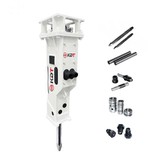
Hey there! As a supplier of machinery pulverizers, I've seen firsthand how crucial it is to keep those bearings in tip - top shape. Bearings are like the unsung heroes of a machinery pulverizer. They help reduce friction, support loads, and ensure smooth operation. So, let's dive into how you can maintain the bearings in a machinery pulverizer.
Understanding the Basics of Bearings in a Machinery Pulverizer
Before we start talking about maintenance, it's important to know a bit about what bearings do in a machinery pulverizer. Bearings are designed to allow parts of the pulverizer to move smoothly relative to each other. In a pulverizer, they support the rotating shafts that drive the grinding and crushing mechanisms. There are different types of bearings used, such as ball bearings, roller bearings, and tapered roller bearings, each with its own characteristics and applications.
Ball bearings are great for handling light to moderate radial and axial loads. They're commonly used in parts of the pulverizer where the speed is relatively high and the load isn't too heavy. Roller bearings, on the other hand, can handle heavier radial loads. They're often found in areas where the pulverizer experiences significant pressure during the grinding process. Tapered roller bearings are designed to handle both radial and axial loads simultaneously, making them suitable for applications where the forces are complex.
Regular Inspection
One of the first steps in bearing maintenance is regular inspection. You should visually inspect the bearings at least once a month, or more frequently if the pulverizer is used intensively. Look for signs of wear, such as scratches, cracks, or discoloration on the bearing surfaces. Check the seals around the bearings to make sure they're intact. Damaged seals can allow dirt, dust, and moisture to enter the bearing, which can lead to premature wear and failure.
You can also use a stethoscope to listen to the bearings while the pulverizer is running. Unusual noises, like grinding or rattling, can indicate a problem with the bearings. If you hear any strange sounds, it's a good idea to stop the machine and take a closer look. Another way to check the condition of the bearings is by measuring their temperature. Overheating can be a sign of excessive friction, which could be due to improper lubrication, misalignment, or other issues. Use an infrared thermometer to measure the temperature of the bearings during operation. If the temperature is significantly higher than normal, it's time to investigate further.
Lubrication
Lubrication is key to bearing longevity. It reduces friction between the moving parts of the bearing, prevents wear, and helps dissipate heat. The type of lubricant you use depends on the type of bearing and the operating conditions of the pulverizer. For most bearings in a machinery pulverizer, a high - quality grease is a good choice. Grease has good adhesion properties, which means it stays in place and provides long - term lubrication.
When applying grease, make sure you follow the manufacturer's recommendations. Over - greasing can be just as bad as under - greasing. Too much grease can cause the bearing to overheat because the excess grease has to be forced out of the bearing, creating additional friction. Under - greasing, on the other hand, won't provide enough protection for the bearing surfaces. You should also regularly check the grease level and replenish it as needed.
If you're working in a dusty or dirty environment, you might want to consider using a sealed bearing or a bearing with a special dust - resistant grease. This can help prevent contaminants from getting into the bearing and causing damage. And don't forget to clean the bearing housing before adding new grease. Any dirt or old grease left in the housing can mix with the new grease and reduce its effectiveness.
Alignment
Proper alignment is essential for the smooth operation of bearings in a machinery pulverizer. Misaligned bearings can cause uneven wear, increased friction, and premature failure. When installing or maintaining the pulverizer, make sure that all the components are correctly aligned. This includes the shafts, pulleys, and gears that are connected to the bearings.
Use alignment tools, such as laser alignment systems, to ensure that the shafts are parallel and the pulleys are in the correct position. Even a small misalignment can have a big impact on the performance of the bearings. If you notice that the bearings are wearing unevenly or if there are signs of vibration in the pulverizer, it could be a sign of misalignment. In this case, you'll need to realign the components as soon as possible.
Contamination Control
As I mentioned earlier, contamination can be a major problem for bearings. Dirt, dust, and moisture can all cause damage to the bearing surfaces, leading to increased friction and wear. To prevent contamination, you should keep the pulverizer and its surrounding area clean. Regularly clean the exterior of the pulverizer to remove any dust or debris that might be attracted to the bearings.


Use dust covers and seals to protect the bearings from external contaminants. Make sure that the ventilation system in the pulverizer is working properly. A good ventilation system can help remove dust and heat from the machine, reducing the risk of contamination and overheating. If the pulverizer is used in a wet environment, you'll need to take extra precautions to prevent moisture from entering the bearings. This could include using waterproof seals or applying a rust - preventive coating to the bearing surfaces.
Storage
If you have spare bearings that you're not using, proper storage is important. Store the bearings in a clean, dry place away from direct sunlight and extreme temperatures. Keep them in their original packaging or in a sealed container to prevent dust and moisture from getting to them. When handling the bearings, make sure your hands are clean to avoid transferring dirt or oil onto the bearing surfaces.
Related Products
We also offer a range of related products that can enhance the performance of your machinery. Check out our Heavy - Duty 5 Finger Mechanical Grapples, Wear Resistance Orange Peel Grapple, and Powerful Shear. These products are designed to work in harmony with your machinery pulverizer, providing more efficient and reliable operation.
Conclusion
Maintaining the bearings in a machinery pulverizer is not a one - time task. It requires regular inspection, proper lubrication, correct alignment, contamination control, and proper storage. By following these steps, you can extend the life of your bearings, reduce downtime, and save money on repairs and replacements.
If you're interested in learning more about our machinery pulverizers or any of our other products, or if you have any questions about bearing maintenance, don't hesitate to get in touch with us. We're here to help you make the most of your machinery and ensure its long - term performance.
References
- Machinery Handbook, Industrial Press Inc.
- Bearing Installation and Maintenance Guide, SKF Group
- Pulverizer Operation and Maintenance Manual, Industry - standard publications